
Speaking Up for the First Time
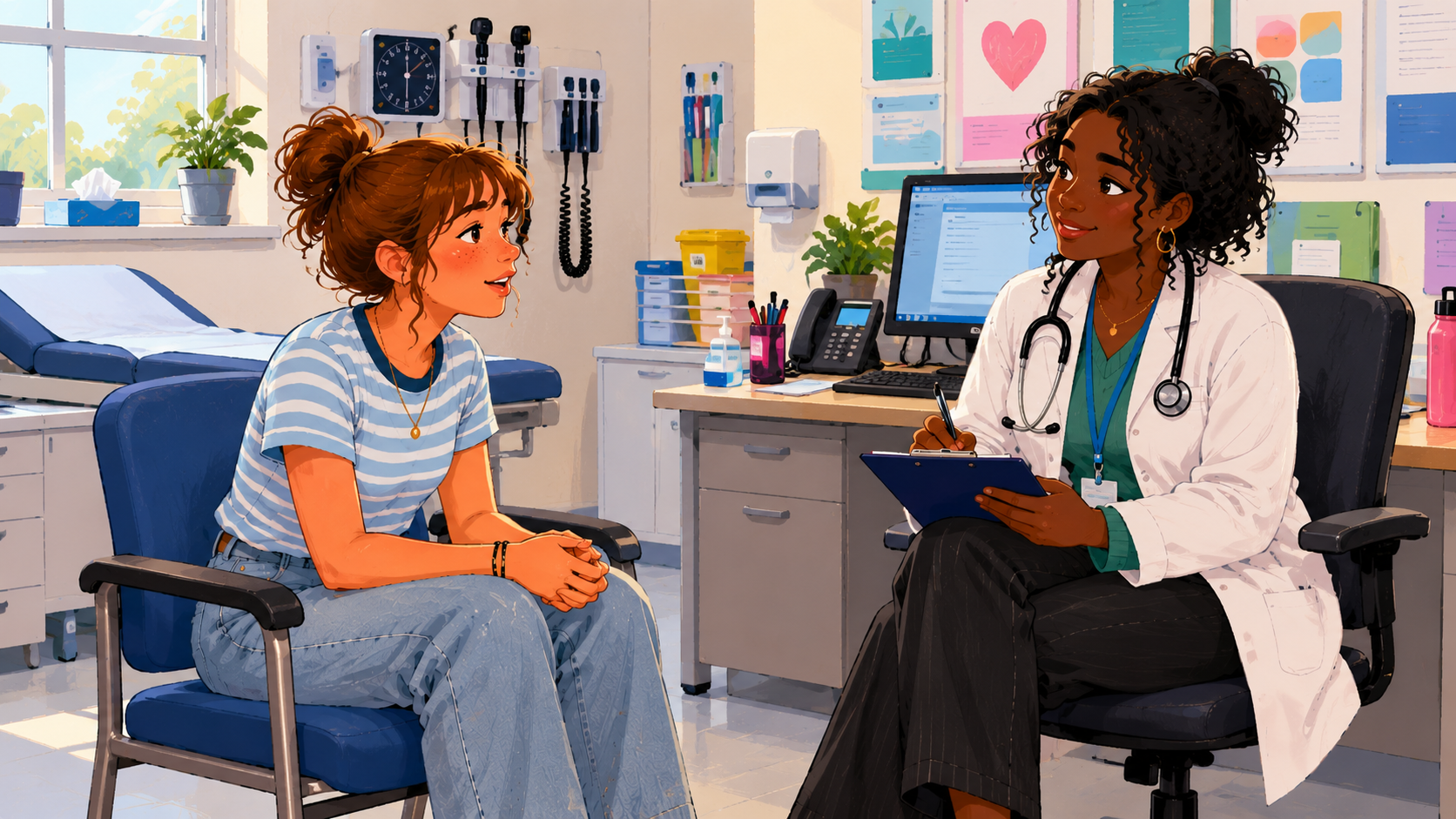
Speaking Up for the First Time: How to Reach Out for Mental Health Support Through Your GP
Here is an article by Wirral’s Listen Up group, describing a young person’s experience of accessing mental health support via their GP. If you choose not to visit your GP, the information regarding preparing for your appointment and what to expect would be relevant and useful for any young person accessing mental health support services.
Although your GP is one source of support, many others are available. Your first point of contact for these is Branch - Home | Branch Wirral or The Drop In The Drop In — zillowirral
When you’re struggling with your mental health, it can feel confusing, frightening and isolating. Many people don’t know where to begin or who to talk to. Reaching out for help is a brave step and your GP is often the best first point of contact. They can listen, point you toward the right support and help you understand what’s happening.
We want this article to help you find the right words when speaking up and become more confident in seeking help.
Dictionary
GP - General Practitioner (Doctor from your doctor’s practice)
Branch - Branch is an online mental well-being hub for children and young people in Wirral, from 0 all the way to 18 (and up to 25 with additional needs). It doesn’t deliver services directly – it’s more of a guide, helping people to find the best tools and local support. It can be used for any child or young person, no matter how big or small their worries feel. It’s packed with tips to help them feel better and, when they need a bit of extra support, gives simple routes into local services. Branch doesn’t offer crisis support but does have information on where to go in an emergency.
The Drop In - The Drop In is an informal drop-in service for all children and young people aged 11 -18 and up to 25 for people with SEND. You can simply drop in without an appointment and get support with any issues that may be affecting you. From family problems and bullying to worry and anxiety our team offer comprehensive support to help you move forward. There are daily activities, support groups, and access to more specific support services.
Why Your GP Is a Good First Step
Your GP is there to support your physical and mental wellbeing. They can:
● Listen to what you’re experiencing
● Help you understand symptoms you may not recognise
● Offer guidance and support on treatment options
● Refer you to services e.g. Branch, The Drop In, look on Zillo
● Write to school for additional wellbeing support
● Examine and treat any physical injury you may worry about
You never need a mental diagnosis to speak to a GP.
Preparing for the Appointment (If You Want To)
Some people find it helpful to prepare before speaking to their GP. Others prefer to talk freely in the moment. Both are completely valid.
If preparation helps you feel more confident, you might consider:
● Writing down how you’ve been feeling — even a few bullet points
● Noting any changes in sleep, appetite, mood, or daily routines
● Writing down how long you’ve felt this way
● Bringing a family member with you if you feel more comfortable with support
You can even show the GP the notes you have made so you don’t feel uncomfortable reading from the paper or letting the doctor ask questions from what you have written.
If you don’t know how to describe your feelings, you can simply say to the doctor: “I’m struggling and I don’t feel like myself.” That alone is enough to start the conversation.
What You Can Expect During the Appointment
GPs understand that talking about mental health can be difficult. They won’t expect you to explain everything perfectly. They may ask gentle questions to help them understand, such as:
● How long you’ve been feeling this way
● Whether your mood is affecting daily life
● If you’ve noticed changes in sleep, energy, or motivation
● Whether you feel able to cope each day
● If you have risky thoughts such as self-harm, suicidal thoughts or plans
These questions aren’t a test, they’re questions to help your GP support you and offer the right treatment.
Taking the First Step
Speaking to your GP is a strong and positive step toward feeling better. You’re not expected to have everything figured out. You’re not expected to be confident or calm. You just need to reach out.
If you’re struggling right now, you’re not alone.