
Water Safety: Know the Risks, Save Lives
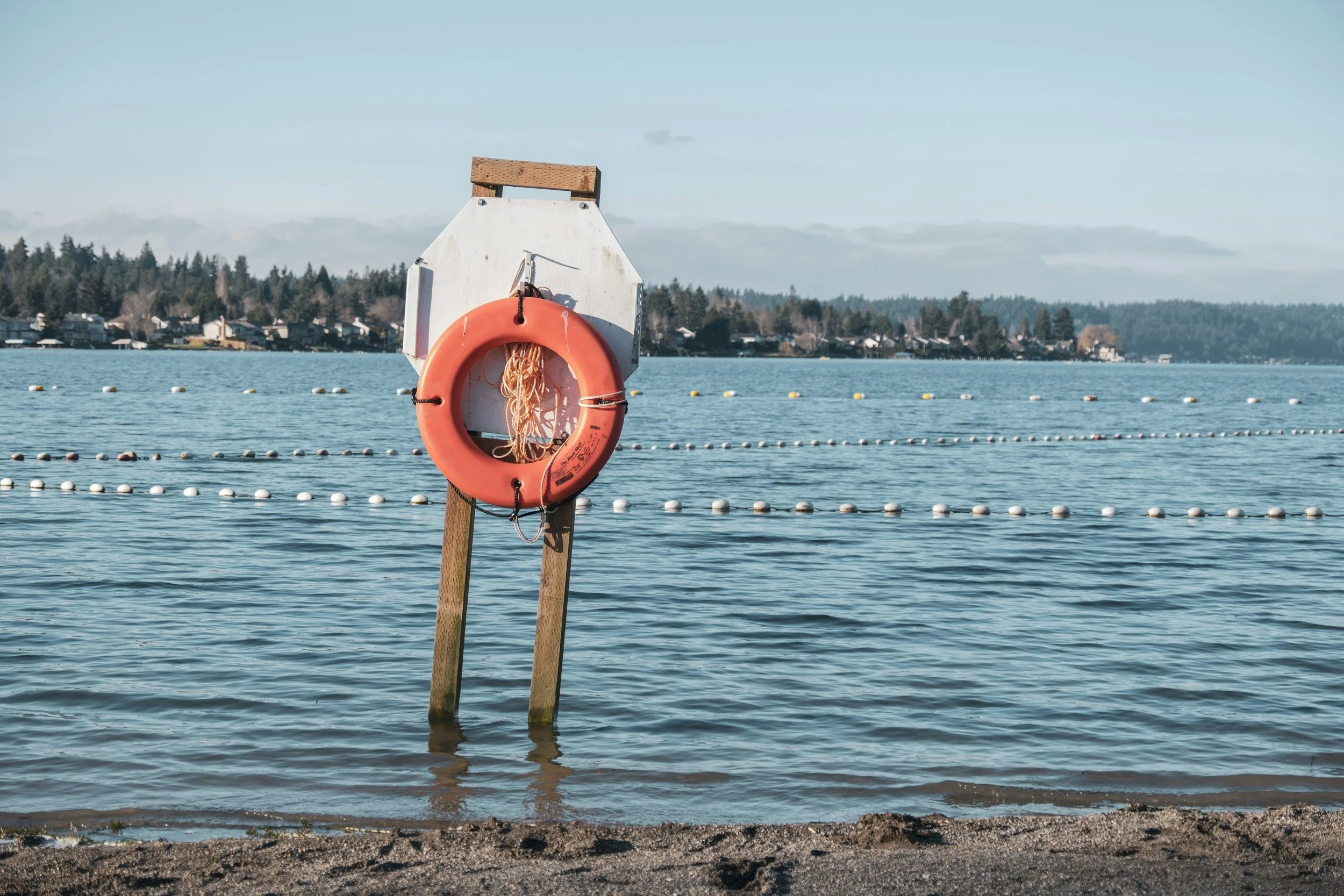
When the weather gets warmer, many young people spend more time outside. Beaches, rivers, lakes, canals, reservoirs, and swimming spots can be great places to visit with friends and family.
But water can also be dangerous.
That is why the Royal Life Saving Society UK (RLSS UK) runs Drowning Prevention Week every year. The campaign helps children and young people learn simple skills that could save their life or someone else’s.
Why Is Water Safety Important?
Hundreds of people drown in the UK every year. Many of these deaths happen by accident and often close to home.
People sometimes think drowning only happens in the sea or deep water. This is not true. It can happen in:
* Rivers
* Canals
* Lakes
* Reservoirs
* Ponds
* Beaches
* Swimming pools
Even shallow water can be dangerous.
The National Water Safety Forum, which leads the UK’s Drowning Prevention Strategy, works with organisations across the country to reduce drowning and improve water safety awareness.
Hidden Dangers Around Water
Water may look safe, but there can be hidden risks.
Cold Water Shock
Even on a warm day, water can be very cold. Falling into cold water can make your body react suddenly.
You may:
* Gasp for breath
* Panic
* Find it difficult to swim
* Lose control of your breathing
This is called cold water shock.
Strong Currents
Rivers and the sea can have powerful currents that are difficult to see. They can quickly pull people away from safety.
Deep Water
Some lakes, rivers, and reservoirs become deep very quickly. You may not be able to touch the bottom when you expect to
Slippery Edges
Canal paths, rocks, riverbanks, and harbour walls can be slippery, especially after rain.
The Water Safety Code
The Water Safety Code gives four simple steps to remember.
Stop and Think
Before going near water, look for dangers and warning signs.
Ask yourself:
* Is the water deep?
* Is there a strong current?
* Is it safe to enter?
* Is there help nearby?
Stay Together
Always stay with friends, family, or trusted adults. Looking after each other makes everyone safer.
Float
If you find yourself in trouble in the water:
* Lean back
* Keep your ears in the water
* Spread your arms and legs
* Try to relax
* Control your breathing
Floating helps you stay above water until help arrives or until you can swim to safety.
Call 999
If someone is in trouble:
* Call 999 immediately.
* Ask for the Coastguard if you are at the coast.
* Tell an adult if one is nearby.
How to Help Someone in Difficulty
The British Red Cross teaches that your safety comes first.
If someone is struggling in water:
Do
* Call 999.
* Shout encouragement.
* Throw something that floats.
* Reach with a stick, pole, or rope if it is safe.
Don’t
* Jump into the water.
* Put yourself in danger.
* Try to rescue them by swimming out unless you are specially trained.
You cannot help someone if you become a casualty too.
Respect the Water
The RNLI’s Respect the Water campaign reminds everyone that water can be powerful and unpredictable.
Many people take risks because:
* They feel confident swimming.
* Their friends are doing it.
* The weather is warm.
However, accidents can happen very quickly.
Respecting the water means:
* Following safety signs.
* Staying away from dangerous areas.
* Wearing a life jacket when needed.
* Not showing off or taking dares.
* Avoiding alcohol and drugs around water.
Water Safety and Social Media
Sometimes young people see videos online of people jumping from bridges, climbing harbour walls, or swimming in unsafe places.
These activities can be extremely dangerous.
What looks fun in a short video may lead to serious injury or drowning.
Never copy risky behaviour for likes, views, or challenges.
Remember
Most water accidents can be prevented.
This summer:
* Stop and Think.
* Stay Together.
* Float.
* Call 999.
By following these simple steps, you can help keep yourself, your friends, and your family safe around water.
Stay safe and enjoy the summer responsibly.
For more information