
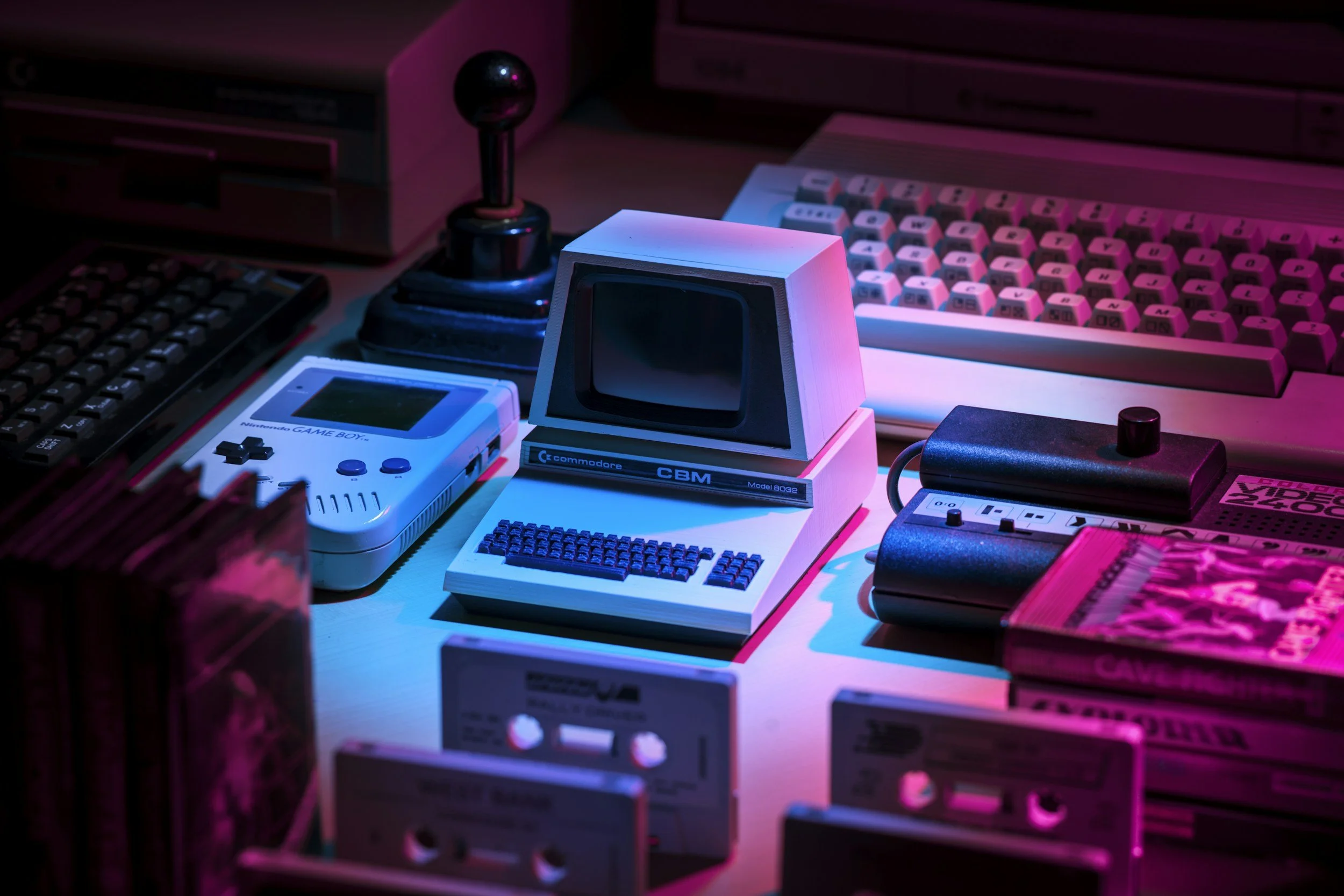
Gaming

From blasting through aliens to racing supercars or building worlds with friends — gaming can be exciting, creative, social, and fun.
But to keep gaming positive, it’s important to understand how to stay safe, look after your wellbeing, and keep a healthy balance between gaming and the rest of your life.
This page will help you:
Stay safe online
Avoid risks
Keep gaming enjoyable
Take care of your health
Spot when gaming or gambling is becoming a problem
Know where to get support
-
Games are designed to pull you in.
Rewards, achievements, streaks, level‑ups, and competition can make it feel impossible to stop. You might plan to play “just one more game”… and suddenly it’s 3AM.Here are 5 signs gaming might be affecting your life:
It gets in the way of schoolwork or responsibilities
Your sleep is affected
You struggle to stop or think constantly about gaming
You’re not doing other activities you used to enjoy
You feel anxious or moody when you can't play
If gaming is taking over your life instead of adding to it, you deserve support.
-
Online games like Fortnite, Call of Duty, GTA, FIFA, Roblox, Minecraft or Destiny can be great fun — but they also come with risks. Some people online aren’t who they say they are.
Here are Top Tips to stay safe:
1. Be careful what you share
Even if someone feels like a friend, think before you give personal information.
Avoid sharing:Your full name
Address
Social media
Phone number
School
Email
Once information is out there, you can’t take it back.
2. Make strong passwords & usernames
Don’t use your real name, school or birthday
Use a mix of letters, numbers and symbols
Never share your password — ever
3. Know who you’re playing with
Anyone can be behind the screen — kids, teenagers, adults, strangers.
Don’t assume people are telling the truth about who they are.Block or report anyone who makes you uncomfortable
Don’t accept gifts, trades or “favours”
4. Don’t send pictures
Never send nudes or personal photos.
People can use them to threaten, pressure or blackmail you.5. Control your privacy
Use privacy settings to manage friend requests, voice chat, and messages.
-
It’s tempting to squeeze in one more match — but lack of sleep affects your mood, focus, memory, health, and how well you play.
Good habits:
Take breaks every 45–60 minutes
Eat, hydrate, stretch, move
Stop gaming at least an hour before bed
Aim for 8–9 hours of sleep
Sleep is your superpower.
-
Gaming should be part of your life, not your whole life.
A healthy balance includes:Time with friends and family
Hobbies offline
School or college work
Fresh air and exercise
Relaxation time
Proper meals and hygiene
Keep yourself well:
Shower regularly
Eat proper meals (not just snacks)
Drink water
Keep your space clean
Move your body every day
Looking after yourself makes gaming more fun — and you’ll play better too.
-
Many games today include features similar to gambling, such as:
Loot boxes
Card packs
Spins and wheels
Mystery rewards
Rare drops
Microtransactions
These features are designed to make you spend money and chase “wins.”
Warning signs gaming is turning into gambling:
Spending more than planned
Feeling pressured to buy loot boxes
Chasing rare items
Gambling on skin‑trading or third‑party sites
Feeling stressed about spending
If it stops being fun and starts causing worry, it’s time to get support.
-
Most gamers meet trolls at some point.
A troll is someone who tries to upset you or get a reaction.Online trolls might:
Target you in‑game
Encourage others to gang up on you
Say nasty or abusive things
Stalk your social media
Damage or steal your online creations
Try to hack your accounts
What to do:
Don’t respond — trolls feed on reactions
Mute, block, and report them
Tell a trusted adult or professional if it’s affecting you
You don’t have to deal with online hate alone.
-
Gaming can improve mental health by:
Reducing stress
Helping you relax
Connecting you with friends
Building confidence and skills
But it can also harm mental health if:
You isolate yourself
You lose sleep
You feel addicted
You experience bullying
You spend too much money
You avoid real‑life responsibilities
You deserve balance, happiness, and safety both online and offline.
-
Gaming can be really positive!
It can:
Boost creativity
Improve problem‑solving
Strengthen teamwork
Build confidence
Enhance communication skills
Improve coordination
Help you bond with friends
Provide a safe escape when you need a break
Gaming is great — when done in a healthy way.
-
If gaming is affecting your sleep, school, friendships, mood, money, or happiness, you don’t have to deal with it alone.
Talk to someone you trust:
A youth worker
A parent or carer
A teacher
A school counsellor
A friend
A helpline
You are never “in trouble” for needing help.
Resources
Hooked on Gaming
Underage Gambling in Video Games
What Happens To Your Body And Brain If You Don't Get Sleep
PSHE | Citizenship | Computing | GCSE | Trolling and Cyber-Bullying | BBC Teach